

Introduction
Travelling doesn’t always have to be expensive. With a little planning, you can explore beautiful destinations in India without spending a huge amount of money. Whether you are planning a weekend getaway, a solo trip or a longer vacation, smart choices can help you control your travel expenses.
In this beginner-friendly guide, we’ll share practical budget travel tips for India to help you plan a comfortable and affordable trip.
1. Set a Travel Budget Before You Start
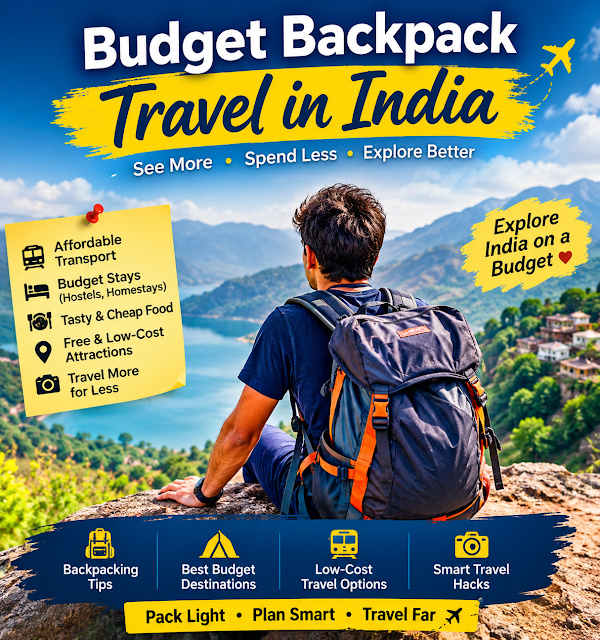
The first step to budget travel is deciding how much you can afford to spend.
Make a simple list of expected expenses:
- Transportation
- Accommodation
- Food
- Local travel
- Sightseeing
- Shopping
- Emergency expenses
For example, if your total budget is ₹5,000, divide it between transportation, accommodation, food and activities instead of spending most of it on one category.
Always keep a small amount aside for unexpected expenses.
2. Choose an Affordable Destination

Your destination can make a big difference to your total travel cost.
Instead of choosing an expensive tourist destination during peak season, consider nearby or less-crowded places. Weekend destinations can also reduce transportation and accommodation costs.
Before booking, compare:
- Distance from your city
- Transport costs
- Hotel prices
- Food costs
- Entry fees
- Local transportation
Choosing the right destination is one of the easiest ways to make a trip more affordable.
3. Save Money on Transportation

Transportation can take up a large part of your travel budget.
For many domestic trips, trains and buses can be more affordable than flights. If you are travelling by air, compare different dates before booking because prices can vary.
You can also save money by:
- Booking tickets in advance
- Comparing different transport options
- Travelling during less busy periods
- Using public transport at your destination
- Sharing local transportation costs when practical
Don’t choose the cheapest option blindly. Consider travel time, safety and convenience too.
4. Find Budget-Friendly Accommodation

You don’t always need a luxury hotel to enjoy a trip.
Depending on your destination and comfort level, you can consider:
- Budget hotels
- Hostels
- Guesthouses
- Homestays
Before booking, check recent reviews, location, cleanliness and important facilities.
For women travelling alone, safety should always come before saving money. A slightly more expensive accommodation in a safe and convenient location can be a much better choice.
5. Save Money on Food

Food is another area where small savings can make a big difference.
Instead of eating at expensive tourist restaurants for every meal, explore reliable local restaurants and cafés. Local food can often give you a more authentic experience while keeping your expenses under control.
A few simple tips:
- Set a daily food budget
- Try local restaurants
- Avoid unnecessary room-service charges
- Carry a reusable water bottle where practical
- Don’t spend your entire food budget on one expensive meal
Of course, hygiene and food safety should always come first.
6. Choose Affordable Activities

You don’t need to spend money on every attraction to enjoy a destination.
Research free or low-cost experiences such as:
- Parks
- Markets
- Walking tours
- Public beaches where permitted
- Local cultural areas
- Scenic viewpoints
- Museums with affordable entry fees
Create a list of the places you really want to visit and check their prices before your trip.
7. Travel During the Right Season

Peak-season travel can be considerably more expensive.
If your schedule allows, consider travelling during the shoulder or off-season. You may find better accommodation prices and fewer crowds.
However, always check the weather and local conditions before finalizing your plans.
8. Pack Smart
 |
| Pack light and carry only what you really need for a comfortable trip. |
Overpacking can make travel uncomfortable and sometimes expensive.
Carry only what you actually need:
- Comfortable clothes
- Basic toiletries
- Medicines you normally need
- Chargers
- Important documents
- A small first-aid kit
- Reusable water bottle
- Essential personal items
For short trips, a smaller bag can make moving around much easier.
9. Keep an Emergency Fund
Even when you are travelling on a strict budget, don’t spend every rupee you carry.
Keep some money separately for unexpected situations such as:
- Transport changes
- Medical needs
- Lost belongings
- Unexpected accommodation expenses
- Emergency travel
An emergency fund can give you peace of mind during your trip.
10. Budget Travel Tips for Women
Women travelling alone or with friends should consider safety alongside cost.
Before travelling:
- Share your itinerary with someone you trust.
- Keep important documents secure.
- Save emergency contacts.
- Research your accommodation area.
- Avoid unfamiliar isolated places, especially late at night.
- Keep your phone charged.
- Trust your instincts.
Saving money is important, but never compromise your personal safety just to reduce expenses.
Sample Budget for a Short Trip

Here’s a simple example of how a ₹5,000 budget could be divided for a short budget trip:
| Expense | Example Budget |
|---|---|
| Transportation | ₹1,500 |
| Accommodation | ₹1,500 |
| Food | ₹1,000 |
| Local Travel | ₹500 |
| Activities | ₹300 |
| Emergency Buffer | ₹200 |
| Total | ₹5,000 |
Actual costs will vary significantly depending on the destination, season and your travel style.

Final Thoughts
Budget travel doesn’t mean missing out on everything. It means spending your money carefully on the things that matter most to you.
Plan your destination, compare transportation and accommodation, eat wisely, choose affordable experiences and always keep safety in mind.
With the right planning, you can travel more, spend less and create amazing memories across India.
Frequently Asked Questions
Is budget travel in India possible?
Yes. India offers many destinations and travel options for different budgets. Your total cost will depend on your destination, travel dates, transportation and accommodation choices.
How can I reduce my travel expenses?
Start by comparing transportation and accommodation prices, travelling during less expensive periods, using public transport where appropriate and setting a daily spending limit.
Is budget travel safe for women?
Budget travel can be safe for women when proper precautions are taken. Research your destination and accommodation, share your itinerary with someone you trust and prioritize safety over saving money.
What is the best way to start budget travelling?
Start with a short trip close to your city. This allows you to learn how to plan transportation, accommodation, food and activities without committing to a large travel budget.

Leave a Reply